

How to consume CBD: different ways to use cannabidiol
July 7, 2023
CBD oil: Best practices for preservation and storage
July 7, 2023
When we talk about wellness hemp, CBD often takes center stage. However, the hemp plant contains more than a hundred cannabinoids, some of which are still little known to the general public.
Among them, CBN (cannabinol) is currently attracting growing interest. Long considered a simple breakdown product of THC, it is now the subject of particular attention, both in terms of research and its observed uses in the field of well-being.
The purpose of this dossier is to provide a clear, rigorous, and accessible answer to a simple question: what is CBN?
You will learn about its origin, how it differs from other cannabinoids, its legal status, and the main areas of research currently being explored.
Table of contents
What is CBN?
CBN, or cannabinol, is a so-called "minor" cannabinoid, naturally present in small quantities in hemp flowers, mainly after flowering. Unlike CBD or THC, which are synthesized directly by the plant, CBN is derived from a particular process: it is formed when THC degrades on contact with air, light or time. In other words, CBN is an oxidation molecule of THC, making it a relatively rare cannabinoid... but also a very interesting one.
What's less well known is that CBN was the very first cannabinoid to be isolated, back in 1940, long before THC or CBD were discovered. It is therefore a historic molecule in the world of cannabis, often forgotten, but now back in the spotlight thanks to its relaxing effects and potential therapeutic properties.
Considered non-psychotropic, CBN does not produce a "high", but rather acts as a natural sedative, making it a serious candidate in the search for natural solutions for sleep, stress or certain chronic pains.
Where does CBN come from?
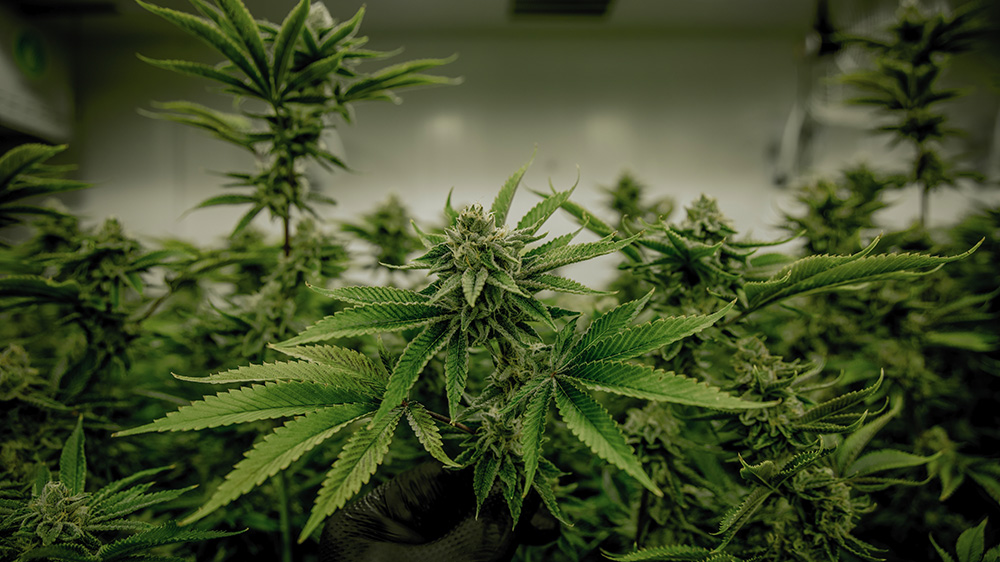
Unlike most cannabinoids, CBN is not directly synthesized by the plant during flowering.
It appears afterwards, following a natural process of THC oxidation.
When hemp flowers are exposed to time, light, andoxygen, some of the THC gradually converts to CBN.
This phenomenon explains two key characteristics of CBN:
its natural scarcity (generally less than 1% in the plant),
the difficulty in obtaining significant quantities without controlled processes.
This particular origin distinguishes CBN from cannabinoids derived directly from CBG (cannabigerol), considered to be the "precursor" molecule for many other compounds in hemp.
Is CBN psychoactive?
Although CBN is produced by the degradation of THC, it is considered non-psychotropic.
Biologically speaking, CBN does interact with certain receptors in the endocannabinoid system, particularly CB1 receptors in the brain. However, its affinity for these receptors is very low, nowhere near that of THC.
In practice, CBN does not cause euphoria, altered consciousness, or a "high" effect.
It is therefore used for its wellness benefits, without the psychoactive effects associated with THC.
Is CBN legal in France (2026)?
To date, CBD is authorized in France and Europe, provided that it complies with a specific framework.
CBN is not listed as a narcotic substance.
It must be naturally derived from hemp, using authorized varieties.
Its manufacture cannot result from artificial transformation of THC.
This regulatory framework partly explains the higher cost of products containing CBN, as the molecule must be extracted under strict and controlled conditions.
As with any cannabinoid-based product, traceability, manufacturer transparency, and independent laboratory testing are essential to ensuring the compliance of the final product.
What's the difference between CBD and CBN?
CBD (cannabidiol) and CBN (cannabinol) are two distinct cannabinoids with different profiles and uses.
CBD is mainly studied for its overall role in the body's balance, particularly in relation to stress, inflammation, and the general regulation of the endocannabinoid system.
CBN, on the other hand, is more commonly associated with relaxation at the end of the day and nighttime comfort, although the precise mechanisms are still being studied.
Rather than contrasting them, research and practical applications tend to show that these two molecules can be complementary, particularly when they are incorporated into combined formulations. This complementarity is often referred to asthe entourage effect, describing the synergy between the different compounds in hemp.
Effects of CBN: what research is exploring today
The effects attributed to CBN are based on a body of scientific data that is still being developed.
The available knowledge comes mainly from preclinical research,exploratory studies, and observed user feedback.
The main areas currently being explored concern:
relaxation and mental release,
sleep support,
certain interactions with pain and inflammation mechanisms,
research avenues in the field of neuroprotection.
It is essential to distinguish between identified biological mechanisms, ongoing research, and individual experiences, which vary from person to person.
👉 For a detailed and sourced analysis of these aspects, you can consult our dedicated file: What are the benefits of CBN oil?
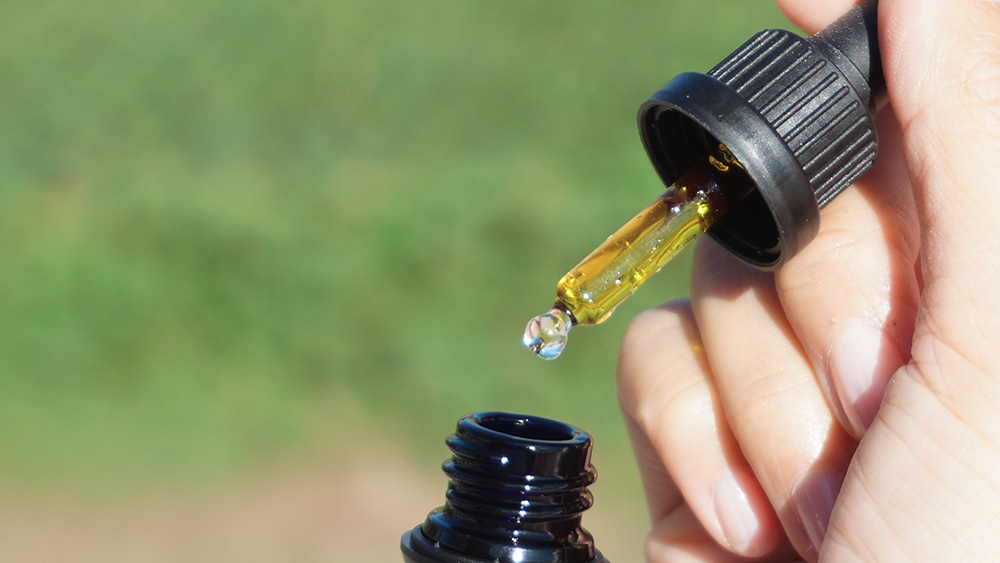
How to consume CBN? (different products)
The main ways to consume CBN (cannabinol) are varied, allowing consumers to choose the method that suits them best. Here are the main options:
- Oils: CBN oils are generally consumed by placing them under the tongue (sublingually) for rapid absorption into the bloodstream. Tinctures can be added to food or drink.
- Capsules and tablets: For those who prefer more discreet, precisely dosed consumption, CBN capsules and tablets are an excellent option. They offer an easy, tasteless method of consumption.
Key points to remember about CBN
CBN is a naturally occurring cannabinoid derived from hemp. It is rare and non-psychotropic, and its value lies in its interaction with the endocannabinoid system and ongoing research into its effects.
Its use is primarily part of a wellness approach, requiring:
rigorous and controlled manufacturing,
transparent information,
and a progressive and personalized approach.
👉 To find out how CBN is used in specific formulations, you can visit our page dedicated to CBN oils.
Scientific sources for this article
1. CBN: Neuroprotection and neurodegenerative diseases
Read the study : Salk Institute for Biological Studies
2. Chronic pain relief with CBN
Read the article: news.yale.edu
3. Effects of Cannabinol on sleep
Read the review : med.upenn.edu